The Use of Blood in Obstetrics and Gynecology in the Developing World
2011
In many parts of the world, access to safe blood remains a challenge, which slows down efforts to reduce maternal mortality. This paper argues the need to explore alternative means to prevent and treat pregnancy-related haemorrhage.
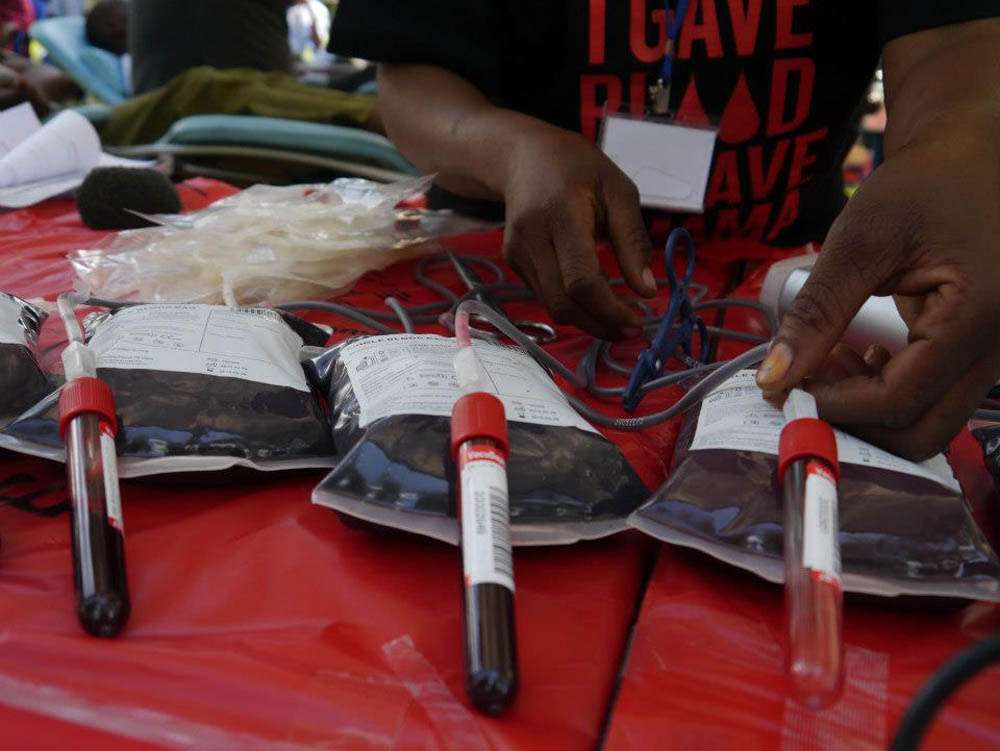
Blood transfusion is one of the eight key components of comprehensive emergency obstetric care and directly contributes towards reducing maternal mortality. But in many parts of the developing world, access to safe blood remains insufficient. This paper thus argues that efforts should focus on alternative means of providing safe blood in cases of obstetric haemorrhage.Blood donation rates, measured by the number of donations per 1000 people, are extremely low in many developing countries. For example, in Nigeria, Tanzania, Ghana, Ethiopia and Sierra Leone, donation rates were below 5/1000 in 2007. In addition, adequate national blood banks are the exception rather than the rule, and blood safety remains a key concern.Efforts to increase blood donations and improve blood supply through national banking systems are ongoing in developing countries. But until adequate national blood banks are in place, there is a need to explore other means of preventing and treating haemorrhage, which do not only rely on allogeneic transfusion.This paper highlights a range of possible solutions in this respect:
- Pre-donation rapid testing - it contributes to decreasing overall cost of blood banking by reducing the amount of blood discarded
- In postpartum haemorrhage, rapid screens are useful if willing donors are available when prescreened blood is not
- Donation of warm whole blood
- Autologous blood donation (e.g. self-donation) whereby a patient donates her own blood prior to giving birth
- Peri-operative hemodilution, whereby patients exchange some of her blood for an equal volume of crystalloid.
- Autologous transfusion (e.g. self-transfusion) during the operation
- In 2011, haemorrhage accounted for 34% of maternal deaths in sub-Saharan Africa
- 26% of maternal haemorrhagic deaths in sub-Saharan Africa are a direct consequence of the lack of blood transfusion services
- Globally, up to 150,000 maternal deaths per year could be prevented through better access to safe blood
- WHO estimates that a country needs available blood supply that is equivalent to minimum 1% to 2% of its population
- Sub-Saharan African countries have some of the lowest blood donation rates in the world. Nigeria, Ethiopia, Tanzania, Ghana and Sierra Leone all had rates of below 5 donations per 1000 people in 2007, as opposed to over 30/1000 in developed countries
- In 2002, 5% to 10% of newly acquired HIV infections were related to infected blood transfusions
- One unit of blood can be procured, screened and tested for approximately USD40. Although this remains costly for developing countries, it is ultimately cheaper than the cost of HIV transmission or the morbidity associated with having no safe blood available
Download
Schantz-Dunn, J., Nawal, M. (2011). The use of blood in obstetrics and gynecology in the developing world. Reviews in Obstetrics and Gynecology, 4(2), 86–91.